What is a flex PCB?
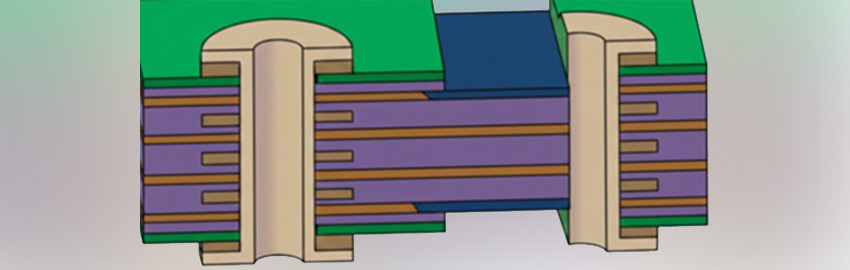
A flexible printed circuit board, also known as a flex PCB, is an electronic circuit that is built on a flexible substrate, allowing the board to bend, fold or twist during use. Unlike traditional rigid PCBs, flex PCBs are designed to fit into compact, lightweight and dynamically moving electronic products. Flex PCBs are widely used in modern electronics such as smartphones, wearables, medical devices, automotive systems and aerospace applications, where the ability to flex is required and space, weight and reliability are critical.

Figure 1. A rigid-flex PCB structure showing flexible polyimide layers transitioning into rigid board sections with plated through-holes.
Flexible PCBs differ from rigid boards in their internal structure. Rather than using fiberglass reinforcement, they rely on a flexible base material, commonly polyimide, that supports the copper circuitry without any glass weave. Flexible circuits connect different sections without needing connectors between separate rigid boards. This reduces the number of mechanical connections and reduces the chance of failure.
Because there is no fiberglass, the board also provides more consistent impedance and reduces signal changes caused by uneven glass weave or small material variations. Flexible PCBs can be single-, double-, or multilayer circuits. Because the substrate is flexible, it offers advantages over rigid PCBs in packaging.
Types of Flex and Rigid-Flex PCBs
According to IPC-6013, flex and rigid-flex printed circuit boards are classified into four categories.

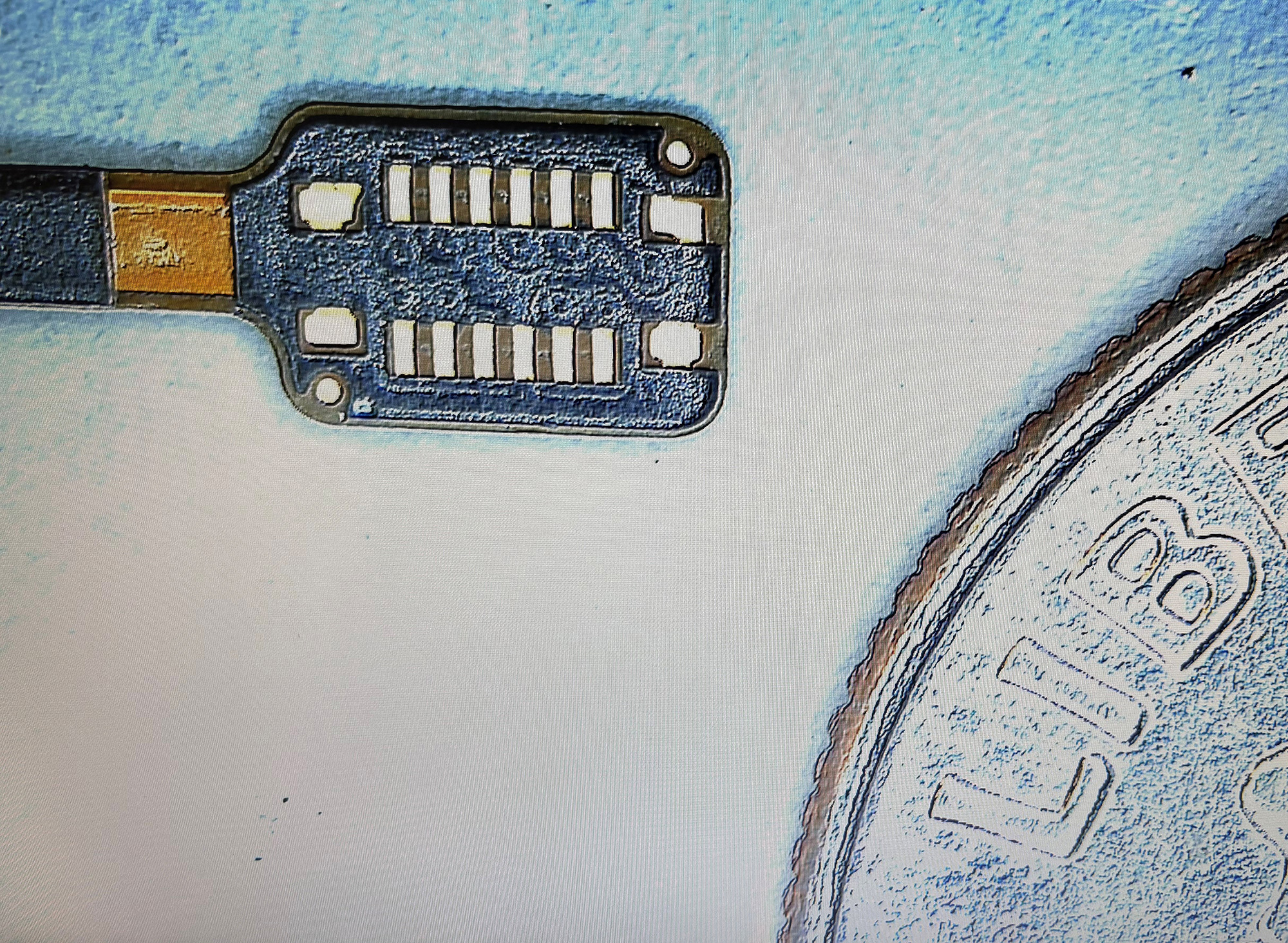
Figure 2. Type 1 refers to single-sided flexible boards with one conductive layer, optionally including stiffeners.

Figure 3. Type 2 refers to double-sided flexible boards with two conductive layers and plated through-holes (PTHs), with or without stiffeners.

Figure 4. Type 3 refers to multilayer flexible boards featuring three or more conductive layers and PTHs, optionally supported by stiffeners.

Figure 5. Type 4 refers to a multilayer construction that combines rigid and flexible materials, with three or more conductive layers and plated through-holes.
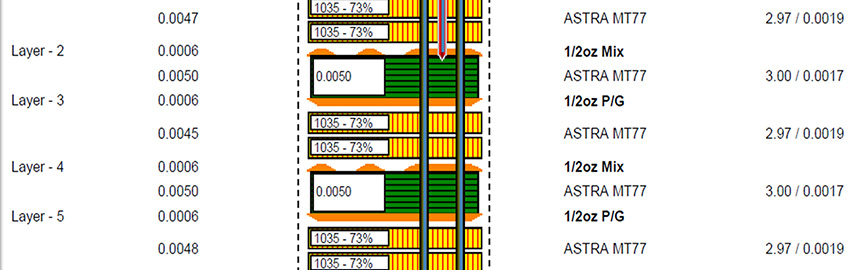
Before we discuss the main materials used in flex and rigid-flex PCBs, let’s take a look at the diagram above. Rigid-flex materials differ from standard rigid board materials. In Type 4 rigid-flex designs, the same flex core that carries copper in the flexible area also extends into the rigid stackup. In the rigid section, the coverlay is partially overlapped and replaced with low-flow or no-flow prepreg. These materials prevent resin from flowing into flexible layers, which could make them brittle after curing.

Figure 6. A rigid-flex PCB showing PI coverlays, flex cores, copper layers and low-flow prepreg supporting the transition between rigid and flexible sections.
In Figure 6, the coverlays over the flex core extend about 1mm to 2mm into the rigid section. A low flow prepreg is added to support the flex core within the rigid area. The layers are then laminated using a second low-flow prepreg shaped to match the rigid section and secure the coverlays in place.
Polyimide (PI) is the most commonly used material in flexible circuits because it offers excellent heat resistance along with high flexibility. Polyester (PET), on the other hand, is a more affordable option but has lower temperature tolerance, making it suitable for less demanding applications.
Rolled annealed (RA) copper is preferred for applications that require repeated or dynamic bending because it offers better flexibility and fatigue resistance.
Electrodeposited (ED) copper is a more economical option and is typically used in static flex applications where the circuit does not bend frequently.
A coverlay is a flexible protective layer made of polyimide film and adhesive. It serves the same purpose as a solder mask in rigid PCBs, protecting the copper traces from damage and environmental exposure.
Flexible circuits often use adhesives to bond layers, including PSA (pressure sensitive adhesive) and TSA (temperature sensitive adhesive) types, with acrylic or epoxy being common choices. For high-performance applications, adhesiveless constructions are preferred, offering greater reliability and precise control over layer thickness.
Stiffeners are rigid support materials attached to specific areas of a flex PCB to improve mechanical strength and stability. They are commonly used under connectors, components or soldering areas to prevent bending and stress damage. Typical stiffener materials are available in different thickness and material types like FR-4, polyimide and stainless steel. The choice of stiffener material type and thickness depends on the application requirements. Shielding is used in flex to minimize electromagnetic interference (EMI) and protect sensitive circuits from external noise. Common shielding types include copper foil shielding, conductive adhesive films, grounded copper planes and braided or metal shielding layers. These shielding methods help maintain signal integrity and ensure stable performance, especially in high-speed and high-frequency applications.
Flex Advantages, Applications and Challenges
Flex and rigid-flex PCBs bring several practical advantages to electronic designs. They save space and reduce weight, which is especially valuable in compact devices. Their ability to bend and conform to complex shapes gives designers greater layout flexibility. Fewer connectors are needed, which lowers the risk of failure and improves overall reliability. In addition, these boards handle vibration well, offer enhanced thermal performance and can accommodate advanced 3-D packaging and integration.
Flex and rigid-flex PCBs are widely used across various industries. In consumer electronics, they are found in smartphones, laptops and cameras. Medical devices such as hearing aids and imaging equipment rely on their compact and reliable design. In the automotive sector, they support sensors, dashboards and battery management systems. Aerospace and defense applications use them in avionics and satellites, while wearables like smartwatches and fitness trackers benefit from their lightweight and flexible form factor.
But flex present several practical challenges. Designing them often costs more because engineers must carefully plan bend areas, layer transitions and impedance control. Manufacturing is more complex, with issues like delamination, misalignment of layers and improper adhesion of coverlays or prepregs. During assembly, the boards are sensitive to excessive bending, tearing or stress on solder joints. Repairs and rework are also difficult, as flexible layers and fine traces can easily be damaged when removing or replacing components.
Flex PCB Production Process Flow
The flexible PCB manufacturing process demands precise control at every stage to ensure dimensional stability and consistent impedance. Here is the manufacturing process flow of the flex PCB.
- Base material cutting: The process starts by cutting the base material to the required size, forming the foundation of the flexible PCB.
- CNC or laser drilling: Precise holes are drilled using CNC or laser techniques to accommodate vias and component connections.
- Pattern imaging and etching: Circuit patterns are transferred onto the board and etched to create the conductive pathways.
- Plating (through-hole/surface): The drilled holes and surfaces are plated to ensure reliable electrical connectivity.
- Coverlay lamination and curing: A protective coverlay is laminated and cured to safeguard the circuits and provide mechanical strength.
- Stiffener or PSA attachment: Stiffeners or PSA adhesives are applied where additional support or flexibility is required.
- Profiling and punching: Boards are profiled and punched to achieve the final shape and dimensions.
- Electrical testing and visual inspection: Each PCB undergoes testing and inspection to ensure functionality and quality.
Cleanliness, accuracy and strict temperature management are maintained throughout to prevent dimensional shifts or copper cracking.
Flex vs. Rigid
Flex and rigid PCBs differ across several key parameters, each affecting their suitability for specific applications.
- Flexibility: Flex can bend and conform to different shapes, whereas rigid PCBs are fixed and cannot bend.
- Weight: Flex PCBs are very light, while rigid PCBs are comparatively heavier.
- Space saving: Flexible boards excel at saving space in compact designs, whereas rigid PCBs offer limited space efficiency.
- Reliability: Flex provides higher reliability because fewer connectors are needed, reducing potential failure points, while rigid PCBs have moderate reliability.
- Cost: Flex comes with a higher initial cost, whereas rigid PCBs are generally more affordable.
Akber Roy is CEO and founder of RUSH PCB Inc. an electronics manufacturing company specializing in PCB design, fabrication and assembly services; This email address is being protected from spambots. You need JavaScript enabled to view it. (rushpcb.com).